Need Assistance? Call Us 1300 CUS CLR (1300 287 257)




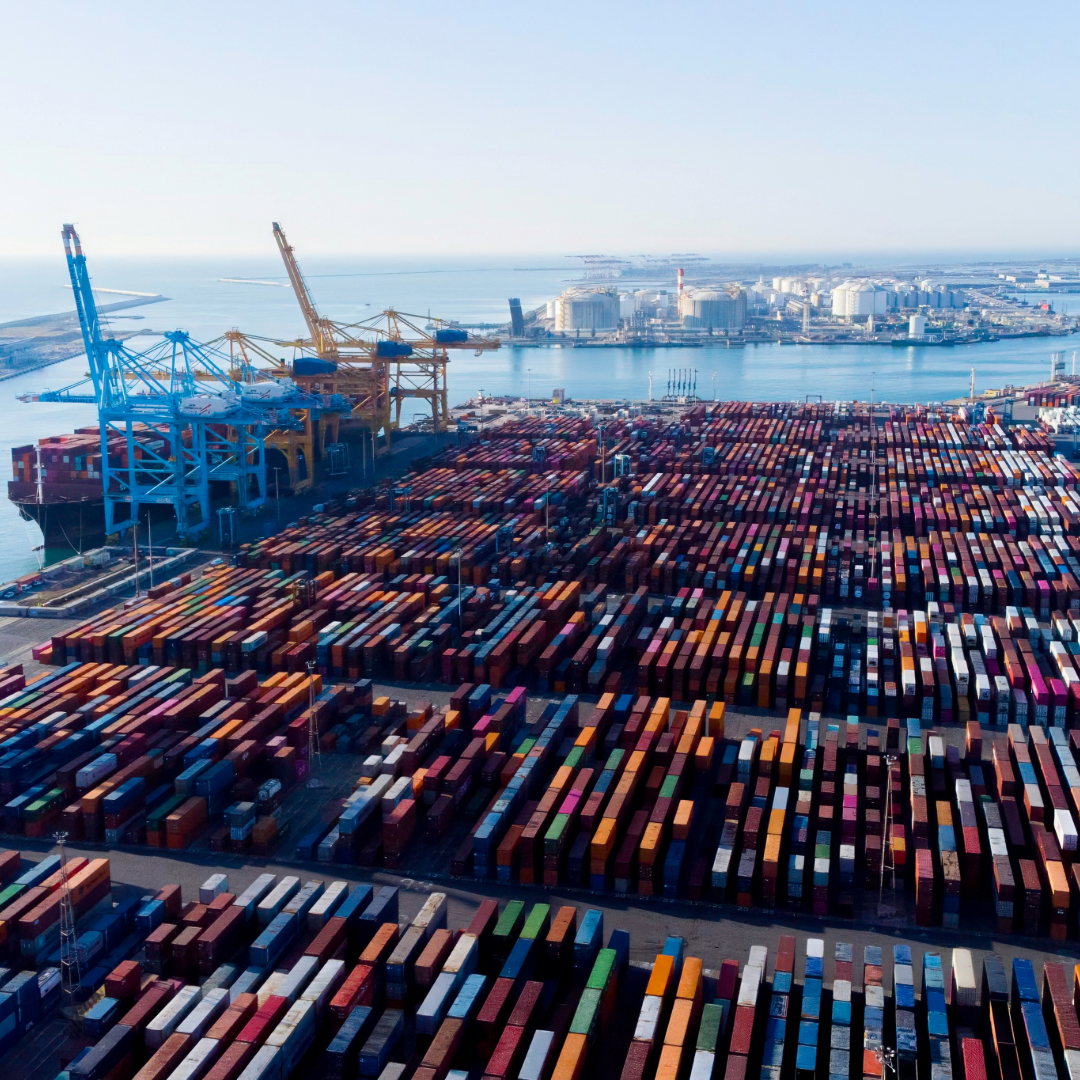
Importing goods into Australia can open up exciting opportunities for businesses and individuals alike. But the process comes with a range of rules, and getting duties, taxes, or classifications wrong can lead to delays, extra costs, or even confiscation of your goods.
One of the most important steps in the import process is assigning the correct tariff classification, also called an HS code. This code determines the duty rate and applicable taxes for your shipment.
Tariff classifications are not always straightforward. Similar products may have different codes based on material, use, or origin.
Imported goods are usually subject to Goods and Services Tax (GST), customs duties, and sometimes additional levies. Understanding how these are calculated helps avoid surprises:
Trade agreements can also affect duty rates. Certain products from countries with free trade agreements may qualify for reduced or zero duties, but only if all documentation is accurate and complete.
Importers often face unexpected delays due to:
At Australian Customs Clearance, we work closely with businesses and individuals to remove the stress and uncertainty from duty and tax compliance. Our team of licensed customs brokers across Australia ensure that every shipment is classified correctly, obligations are calculated accurately, and all documentation is complete so your goods can move through customs efficiently.
With over 15 years of experience, and with team members based at major air and sea ports like Melbourne and Sydney, we are ideally placed to help clients save time, reduce risks, and avoid unnecessary costs, whether they are importing commercial stock or personal items.
Need guidance on duties, GST, and tariff classifications for your imports? Contact Australian Customs Clearance on 1300 287 257 and keep your shipments moving without surprises.


