Need Assistance? Call Us 1300 CUS CLR (1300 287 257)




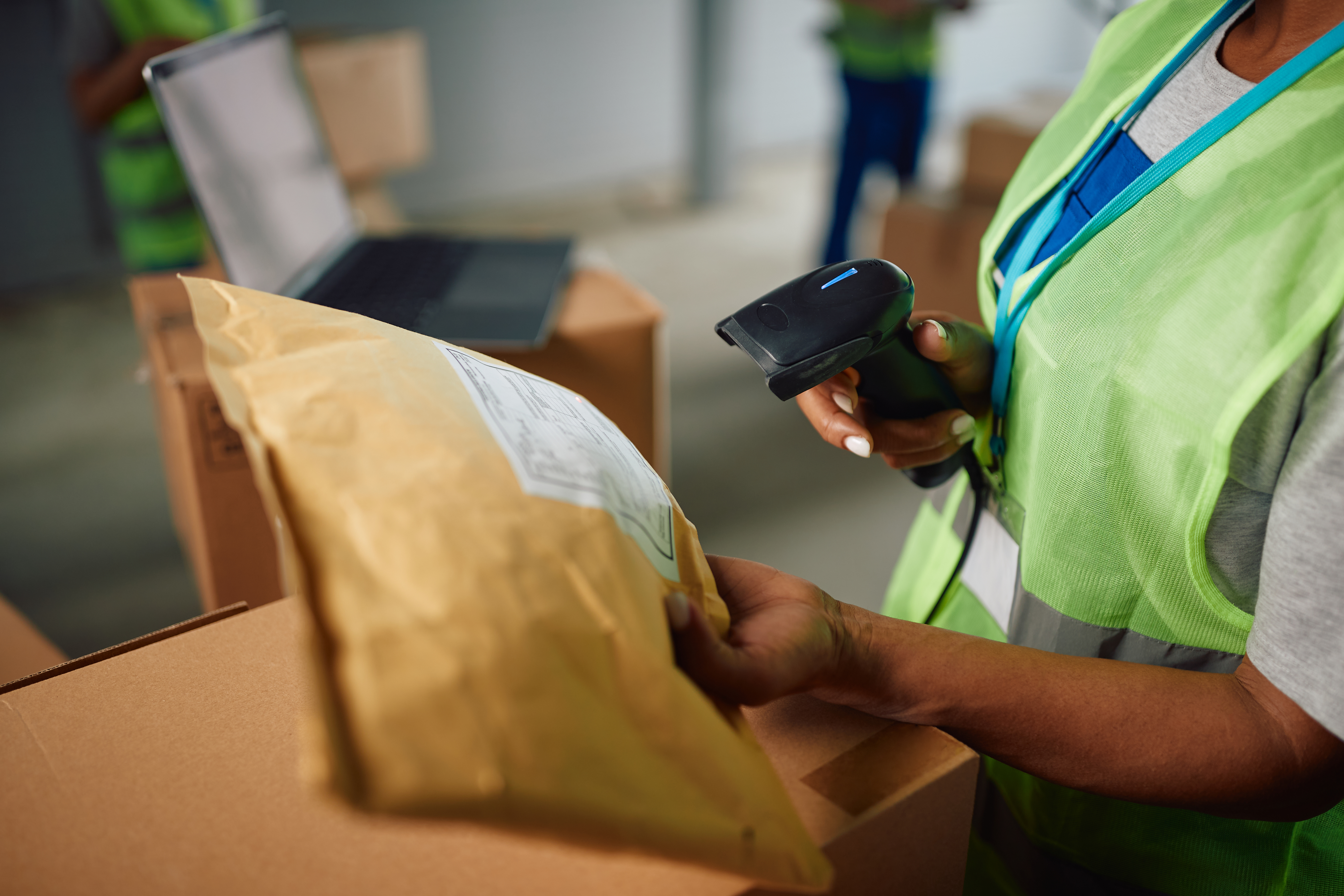
If Australia Post is holding your parcel because of a customs declaration, the parcel is likely being checked by the Australian Border Force. In many cases, it can be released within 24 to 72 hours once the right paperwork is lodged. Australian Customs Clearance manages this technical reporting process directly to help regularise delayed cargo. If your goods are stuck in customs, you are not alone. This happens frequently, and the administrative hold is generally resolvable through established regulatory channels.
An Australia Post international declaration is a statutory document designed to verify the contents, destination, and transaction value of items moving across the Australian border. For individuals sending a parcel internationally, this paperwork often takes the form of a physical or digital postal label that informs destination border agencies of the consignment details. For inbound freight arriving via the international mail network, the Australian Border Force (ABF) relies on this declaration data to screen for potential prohibited imports and to assess correct federal taxes. Importers should distinguish between a generic sender declaration stuck to a box and the formal electronic declaration often required by the ABF when a shipment does not clear automated border processing.
The ABF screens incoming mail items at centralized postal depots, and documentation deficiencies represent a primary cause for extended clearance delays. A parcel is typically held because the international sender omitted sufficient declaration details or provided generic terms such as "merchandise" or "gift" without specifying the exact items. Border officers can also flag consignments when the declared value seems inconsistent compared to known market pricing, or when the paperwork lacks clear transaction value details. Furthermore, the border framework intercepts cargo to enforce controls on restricted products or to allow the Department of Agriculture, Fisheries and Forestry to examine goods for biosecurity concerns. These interventions are a standard part of federal border protection, and you can often resolve them systematically by delivering verified commercial evidence.
The clearance process for a detained postal shipment often follows a regulatory sequence that relies on documentation to satisfy federal inspectors.
First: Australia Post sends you a notice or holds delivery at the depot, which alerts you that border authorities require further verification before the item can enter domestic circulation.
Second: You generally need to provide a compliant declaration containing verified data, which may include sender and recipient details, precise cargo descriptions, the transaction value in Australian Dollars, and appropriate tariff classification.
Third: The ABF reviews this newly lodged information against their screening metrics, calculating the standard ten per cent Goods and Services Tax and applicable customs duty if the transaction total exceeds the low-value threshold.
Finally: Once relevant charges are settled and the ABF authorises home consumption, authorities release the parcel back to Australia Post for final delivery to your address.
To address a deficient postal record and secure an official border release, it is helpful to compile a specific suite of commercial and logistical information. Your submission should detail the complete legal name and physical address of the international sender alongside your own verified recipient delivery details. It is advisable to replace vague product terms with a descriptive, factual explanation of the goods that outlines their material composition and intended use. The documentation should state the transaction value in Australian Dollars, backed by matching proof of payment, while specifying the country of origin where the items were manufactured. Finally, it is usually necessary to declare the clear reason for import, distinguishing whether the consignment represents a standard commercial purchase, a commercial product sample, or a personal gift.
Commercial buyers and individual consumers frequently face customs holds because an overseas supplier did not include proper commercial invoices with the packaging. If you do not possess the necessary information, an immediate step is to contact the international sender to request a clean commercial invoice or a formal manufacturer declaration. When an overseas supplier does not supply these documents, you can manage the compliance pathway by gathering alternative transaction records. The ABF routinely reviews alternative financial evidence, meaning you can submit bank statements, PayPal receipts, or credit card transaction summaries that match the funds transferred for the shipment. Providing this verified financial trail allows licensed brokers to establish an accurate customs value and help resolve the administrative hold at the mail depot.
Managing federal border regulations independently introduces operational risks, particularly when dealing with high-value goods or strict statutory timelines. Under Australian customs rules, postal imports that exceed the 1,000 AUD low-value threshold typically do not clear on a simplified mail card and require a formal Import Declaration lodged electronically into the Integrated Cargo System. For businesses managing time-pressured supply chains, multiple stuck parcels, or complex commodity classifications, managing this paperwork without technical expertise can lead to misdeclaration penalties or prolonged storage costs.
Australian Customs Clearance is a licensed customs broker (corporate customs licence 01955C) handling Australia Post, air, and sea freight clearance for individuals and businesses Australia-wide. Our consultancy acts as your direct professional interface with the ABF, taking responsibility for the precision of your cargo lodgement. We help protect your commercial margins using a four-year Duty Minimisation Guarantee, auditing your shipments to apply valid Free Trade Agreements and Tariff Concession Orders designed to legally reduce your tax exposure. Our brokerage handles the administrative strain, allowing you to focus on your core business operations while we work to secure a rapid, compliant release of your cargo.
How long can Australia Post hold a parcel at customs?
The ABF maintains the legislative authority to hold non-compliant postal cargo during an active documentation audit. However, once a broker lodges an accurate declaration backed by verified commercial invoices or alternative financial receipts, standard processing and cargo release by authorities frequently takes between 24 and 72 hours.
Do I have to pay duty on international parcels?
Not automatically. International postal items entering Australia with a total transaction value at or below the 1,000 AUD threshold are generally exempt from customs duty and GST, unless they contain tobacco or alcohol. Mail consignments exceeding 1,000 AUD require a formal electronic entry and can attract standard tariff rates alongside the ten per cent GST.
What if my parcel was a gift?
Marking an international consignment as a gift does not automatically exempt the items from standard border assessment. If the factual market value of the gifted item exceeds the 1,000 AUD threshold, the shipment can face similar tariff classifications, customs duties, and statutory taxes as a standard commercial import contract.
Can I lodge the declaration myself or do I need a broker?
Importers can legally attempt to complete documentation directly with the department. However, engaging a licensed customs broker helps mitigate the risk of classification errors, assists in fulfilling your Section 4 owner liabilities correctly, and utilizes integrated digital cargo systems to help achieve a faster cargo release from the mail depot.
If the Australian Border Force is currently detaining your international delivery and you need professional clearance support, contact our brokerage team today. Importers can call Australian Customs Clearance on 1300 287 257 to speak directly with a licensed broker who can assist with your documentation. Alternatively, you can upload your official Australia Post detention notice and transaction invoices via our contact page or read our dedicated Australia Post documentation guidelines to help initiate your electronic lodgement.


