Need Assistance? Call Us 1300 CUS CLR (1300 287 257)




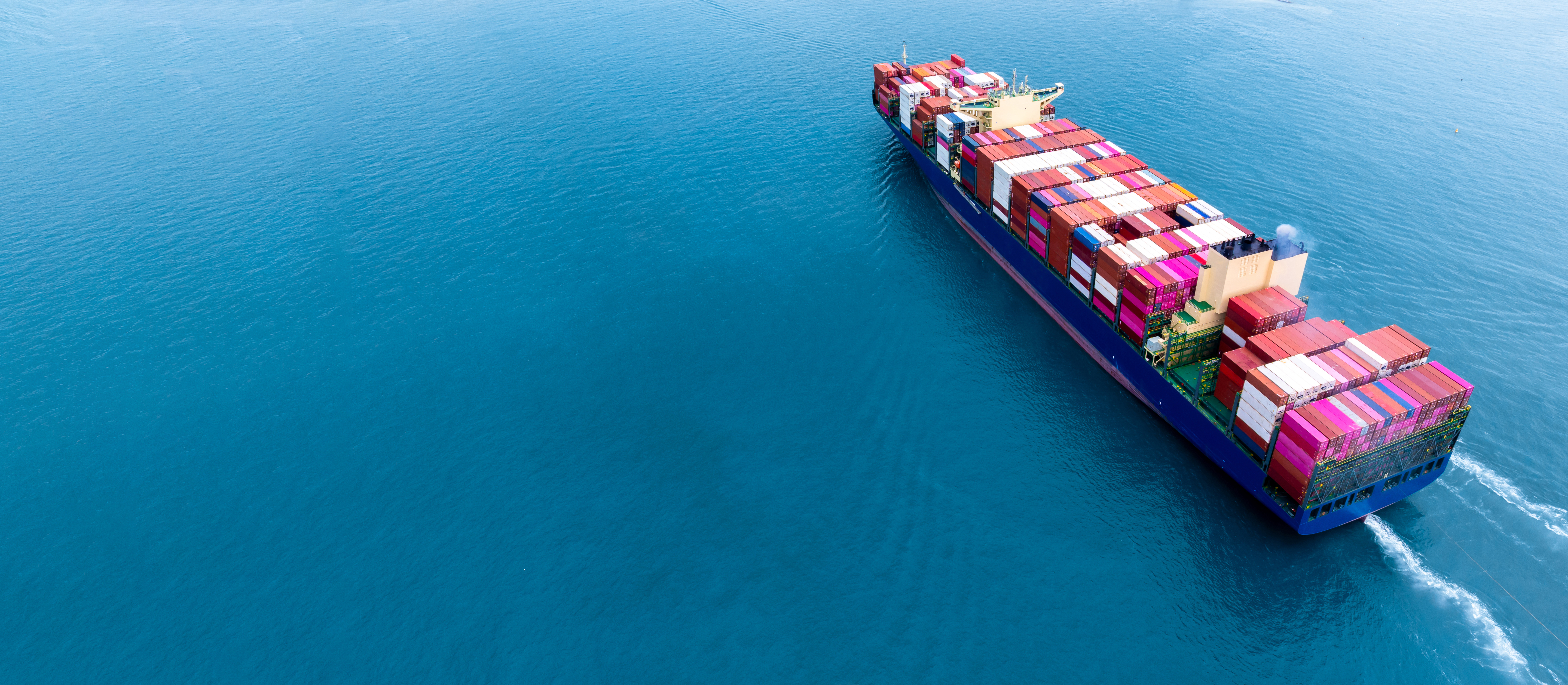
Planning commercial stock shipments or sourcing new overseas product lines requires careful attention to seasonal biosecurity measures. Every year, the Department of Agriculture, Fisheries and Forestry (DAFF) enforces seasonal regulations to prevent the Brown Marmorated Stink Bug (BMSB) from entering Australia.
If your business imports targeted goods manufactured in or shipped from designated risk countries, understanding your biosecurity obligations before your supplier loads the container helps avoid holds at Australian ports.
The annual BMSB risk season applies to target goods shipped on board a vessel between 1 September 2026 and 30 April 2027 inclusive.
The critical benchmark recognised by biosecurity authorities is the official shipped-on-board date stamped on your ocean bill of lading. Terminal gate-in timestamps, warehouse dispatch notes, and supplier estimates are not accepted by DAFF to determine when goods departed. If your cargo leaves the origin port during this eight-month window, seasonal biosecurity checks apply.
BMSB regulations do not apply to all imports equally. Biosecurity controls depend on two primary factors: product classification and origin country.
Goods categorised under specific Harmonised System (HS) tariff chapters require mandatory biosecurity treatment prior to clearance. Common categories include:
Mandatory treatment applies to target high-risk goods exported from or manufactured in designated risk countries across North America, Europe, and surrounding regions. Additionally, DAFF monitors several emerging risk countries through random verification inspections upon arrival.
If your container holds mixed cargo, the entire shipment is assessed according to the highest-risk item packed inside.
How your cargo is packed determines where treatment can take place:
To ensure your customs declarations are processed smoothly, gather the following supporting documentation from your overseas supplier before dispatch:
Navigating international trade involves a clear division between freight transport and customs entries:
That division of responsibilities sits firmly between logistics and customs. Under our Duty Minimisation Guarantee, every import entry is reviewed by our licensed customs brokers, and legal savings are identified where they exist.
Planning to import commercial stock or machinery during the BMSB risk season? Contact Australian Customs Clearance (ACC) on 1300 287 257 or visit aucustomsclearance.com.au to review your product classifications and biosecurity paperwork before your supplier ships.


