Need Assistance? Call Us 1300 CUS CLR (1300 287 257)




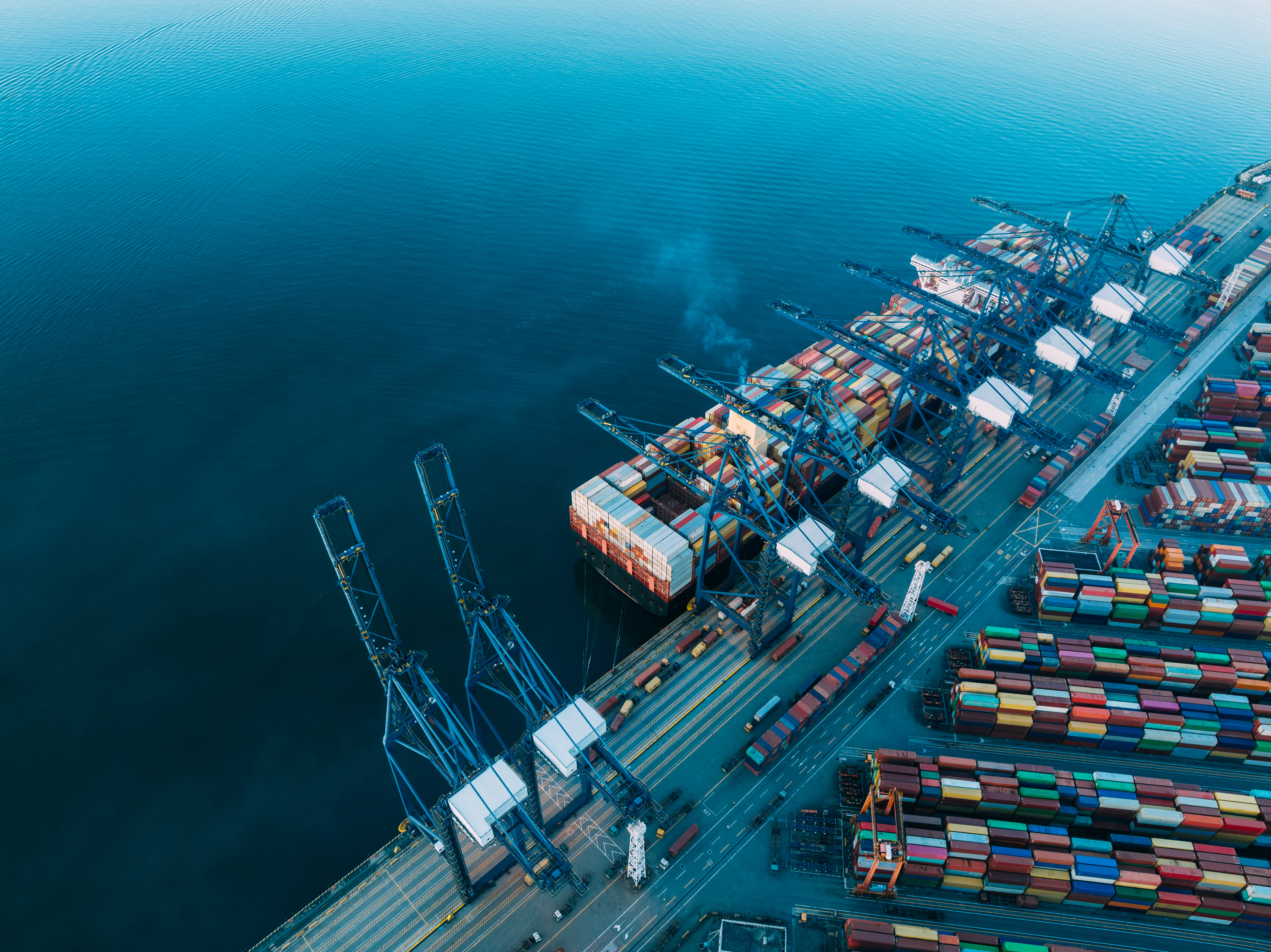
Most Australian importers focus heavily on reducing standard customs duty through Free Trade Agreements. While lowering a five percent tariff to zero directly improves margins, a far greater financial risk often goes unnoticed until a shipment arrives at the wharf. Anti-dumping and countervailing duties represent trade defence tools designed to protect domestic industries from unfair foreign pricing and government subsidies. When the Anti-Dumping Commission imposes these measures, they generally apply outside standard import duty calculations and can override Free Trade Agreement benefits. A valid Certificate of Origin reduces standard tariff rates, but does not typically provide exemption from anti-dumping actions. This legal framework operates independently, and the resulting duties can frequently exceed 100 percent of the value of the goods, potentially doubling total landed costs overnight.
Many businesses assume that standard import duty is the main cost when bringing goods into the country. In reality, total customs charges in Australia include several layers, such as standard import duty, GST, Department of Agriculture, Fisheries and Forestry biosecurity fees, processing charges, and international freight handling. When businesses ask why their final import costs are so high, the answer is rarely freight or standard tariff rates. In many cases, it involves the application of anti-dumping measures. The reason these duties catch so many experienced importers off guard is that they sit outside standard import duty calculations. Most importers rely on basic tariff rates to estimate costs. On paper, the details looks correct because the classification is confirmed, the duty rate is known, and a valid Certificate of Origin is in place. This is the trap where profit margins disappear.
Anti-dumping duties apply on top of other customs charges. The real issue is the timing of these measures. Many importers realise they are exposed when the goods are already in transit or sitting at the wharf, at which point storage and demurrage fees accumulate rapidly, capital is committed, and options are severely limited. A Certificate of Origin may reduce your standard import duty in Australia to zero under a Free Trade Agreement, but it does not automatically remove exposure to anti-dumping or countervailing duties. These are separate legal frameworks. If an anti-dumping measure applies, it can override Free Trade Agreement benefits.
To manage this risk properly, commercial importers must understand how these separate trade defence mechanisms actually function. Dumping occurs when a foreign exporter sells goods into Australia at a price lower than the normal value in their home market. In practice, this duty bridges the gap between what the goods should cost domestically and what they were exported for. Countervailing duties apply when a foreign government provides financial support to its local exporters, such as tax incentives, subsidised loans, or direct grants. These measures allow factories to sell at artificially low prices, and the Australian government applies the duty to offset that unfair competitive advantage.
The Anti-Dumping Commission remains highly active, and we are currently seeing increased scrutiny and active cases across several key sectors during 2026. If you are importing from countries such as China, South Korea, Malaysia, Taiwan, or Italy, you must take extra care with hollow structural sections, titanium dioxide, light gauge steel stud and track, steel corner beads, steel angles, and freight railway wheels. Crucially, risk is tied directly to the specific manufacturer rather than just the country of export. A product may be compliant from one factory but heavily penalised with a residual duty rate from another, even within the same region. This is where many unexpected costs arise.
To properly assess your financial exposure, you need to understand how these duty rates are determined by the Anti-Dumping Commission. These figures are based on detailed federal investigations and rely on three core components. First, the Normal Value represents the price at which the goods are sold in the exporter’s domestic market. For example, if a manufacturer sells a product locally for $5 per unit, that becomes the benchmark. In some markets influenced by government intervention, the Commission constructs a normal value using international cost data, which often results in a significantly higher duty outcome. Second, the Export Price is the price you actually pay as the importer, adjusted by removing international freight, insurance, and related handling costs. Third, the Dumping Margin is the difference between the normal value and the export price. If the normal value is $5 and the export price is $3.50, that difference becomes the basis for the penalty duty.
One of the most dangerous aspects of import costs in Australia is timing. Commission investigations progress in stages, and the rules can change while your goods are on the water. We have seen situations where goods were compliant when ordered but became subject to provisional duties by the time they arrived. A common assumption is that sourcing from a new supplier reduces risk, but in reality, it often increases it. Suppliers that have not participated in previous investigations are routinely assigned the highest uncooperative residual rate available.
The difference between a profitable import and a costly one frequently comes down to what is checked before placing the order. To ensure your import costs in Australia are accurate before you commit capital, it is highly advisable to confirm. the correct tariff classification, review active anti-dumping measures, and verify the manufacturing entity rather than just the trading supplier.
Import duty is a federal tax applied to goods entering Australia based on their specific customs tariff classification and origin. However, it represents only one component of the total landed import costs.
Import duty varies depending on the product, but many standard commercial goods sit around five percent. However, total customs charges can be significantly higher due to GST, biosecurity fees, and anti-dumping duties.
Import duty is calculated based on the Customs Value of the goods, their classification under the Customs Tariff Act, and applicable Free Trade Agreements. Additional trade defence charges apply if the goods are subject to active dumping notices.
Anti-dumping and countervailing duties are one of the most common reasons commercial imports shift from profitable to loss-making ventures. They are also one of the most manageable risks if identified early in the procurement cycle. At Australian Customs Clearance, we act as your compliance partner to ensure that what looks profitable on paper remains profitable in reality.
Importers can call Australian Customs Clearance on 1300 287 257 to speak directly with a licensed broker, or email commercial documentation to ops@aucustomsclearance.com.au for a professional compliance risk assessment.
Customs Broker Licence No: 01955C


